School safety is not a solitary program, guideline, or gadget. It is a culture, constructed each day, that shows students just how to react when routine breaks. A well-designed first aid course woven into the academic year gives youngsters sensible abilities, calm under pressure, and a feeling of firm. When a pupil recognizes the indicators of an asthma attack on the play ground, or a classmate passes out throughout assembly, the best response in the initial 3 mins usually figures out the result. The distinction in between panic and deliberate activity is training.
I have actually aided institutions roll out first aid training throughout year degrees, from short workshops in Year 5 to approved CPR courses for older teenagers. The schools that see long-term effect reward first aid as a skillset and a mindset. They utilize age-appropriate circumstances, revitalize abilities routinely, and tie the learning back to the places where events happen most, like sporting activities areas, science labs, stairwells, cooking areas, and parking area throughout pickup. The remainder of this item distills those lessons into what to instruct, just how to educate it, and exactly how to maintain it without straining personnel or budgets.
What pupils really encounter on campus
The cliché is a hypothetical disaster. Genuine school incidents are average and frequent. Over a normal year in a large secondary school, you will see small cuts, strains, nosebleeds, moderate allergies, fainting, heat stress on cozy days, and periodic head knocks throughout sport. Main colleges include play area drops and choking on little snacks. Unusual yet high-stakes occasions include severe asthma attacks, anaphylaxis, seizures, and unexpected cardiac arrest. The numbers differ by region and environment, however patterns are consistent: 1 or 2 serious cases per term, dozens of minor injuries, and lots of moments where very early support avoids escalation.
A student-focused first aid course need to mirror this account. Teach the principles that put on every little thing: assessing risk, calling for assistance, and offering standard treatment without making injuries worse. Then lean right into high-frequency situations and the few time-critical ones where minutes count, such as CPR, choking, and anaphylaxis.

Building a curriculum that fits the school week
The most successful programs start modestly and increase. Instead of a one-off occasion, intend a presented strategy that matches cognitive growth and comfort degrees. For Years 3 to 6, create short, hands-on sessions that emphasize staying secure, looking for grown-up assistance, and straightforward first aid like cleaning a scrape. For very early additional, introduce structured steps and decision-making. For senior students, include recognized first aid and CPR training that can cause a first aid certificate acknowledged past school.
A workable version mixes 3 aspects. First, an annual core session for each and every year degree that covers the essentials Browse around this site and a couple of age-appropriate circumstances. Second, assimilation factors across the educational program, like exercising recuperation setting in health course or computing compression rates in a mathematics exercise as an interest hook. Third, expansion chances, such as a first aid club, peer assistance groups at sporting activities occasions, or a cpr correspondence course for pupil leaders midyear.
Age-appropriate content by stage
Students remember what they perform with their hands greater than what they listen to. Each phase must supply simple actions, practice on devices or peers, and representation on when not to intervene.
Early key: concentrate on safety and security regulations, staying calmness, and calling for aid. Give them language: "Inspect if it is risk-free, get a grown-up, call 000 or 911." They can discover to quit hemorrhaging with stress utilizing a clean towel, to sit a woozy good friend down, and to tell a grown-up if someone is having difficulty breathing. At this age, you do not educate CPR compressions at deepness, however you can introduce the rhythm making use of a soft toy and a metronome set near 100 to 120 beats per minute.
Upper primary: add choking feedback for self and others, straightforward nosebleed treatment, standard wound cleansing, and just how to talk with emergency dispatch with clear area information. Role-play assists, for instance, exercising just how to guide an ambulance to the side gate near the gym.
Lower secondary: educate organized evaluation with the DRSABC or comparable series, making use of simple language and repetition until it is automatic. This is where you introduce practical CPR training with full-sized manikins, AED understanding, acknowledgment of asthma and anaphylaxis, and the recuperation position. Include modules pertinent to scientific research laboratories and sports. Students ought to practice calling a rescue, placing an AED, and providing compressions for 2 minutes while a partner counts aloud.
Upper second: cover a total first aid and cpr course that meets nationwide standards, including CPR, choking, hemorrhaging control, shock, cracks, sprains, spinal preventative measures, seizures, diabetes-related emergencies, heat stress and anxiety, and environmental injuries. If the jurisdiction allows, students can finish an approved first aid course and obtain a first aid certificate that continues to be valid for a specified duration. For those in management roles like home captains or sports captains, provide a cpr refresher course each year.
Choosing a supplier without the advertising and marketing fog
The market for first aid courses is crowded. A few inquiries cut through the sound. Ask whether the curriculum straightens with your country's resuscitation council standards and whether their cpr training uses feedback-equipped manikins that measure deepness, price, and recoil. For anaphylaxis and asthma, seek situation training with fitness instructor adrenaline auto-injectors and spacer devices. If they promise accreditation, verify the providing body and the currency of the qualification.
Experienced service providers will certainly adjust web content to your case account and centers. If your college runs outdoor education and learning, they can include heat illness and snakebite protocols pertinent to your region. If you have a huge music or drama program, they can simulate handling a fainting episode backstage where illumination and group circulation vary. In my experience, fitness instructors who have worked in institutions bring various power: they control spaces of teens, balance roughness and reassurance, and keep examples based without frightening students.
Some schools choose a blended design: generate first aid pro trainers for the core CPR course and accreditation, then have personnel supply much shorter refresher courses utilizing the carrier's products. This saves expense and builds internal capacity.
Integrating CPR and AED use without fear
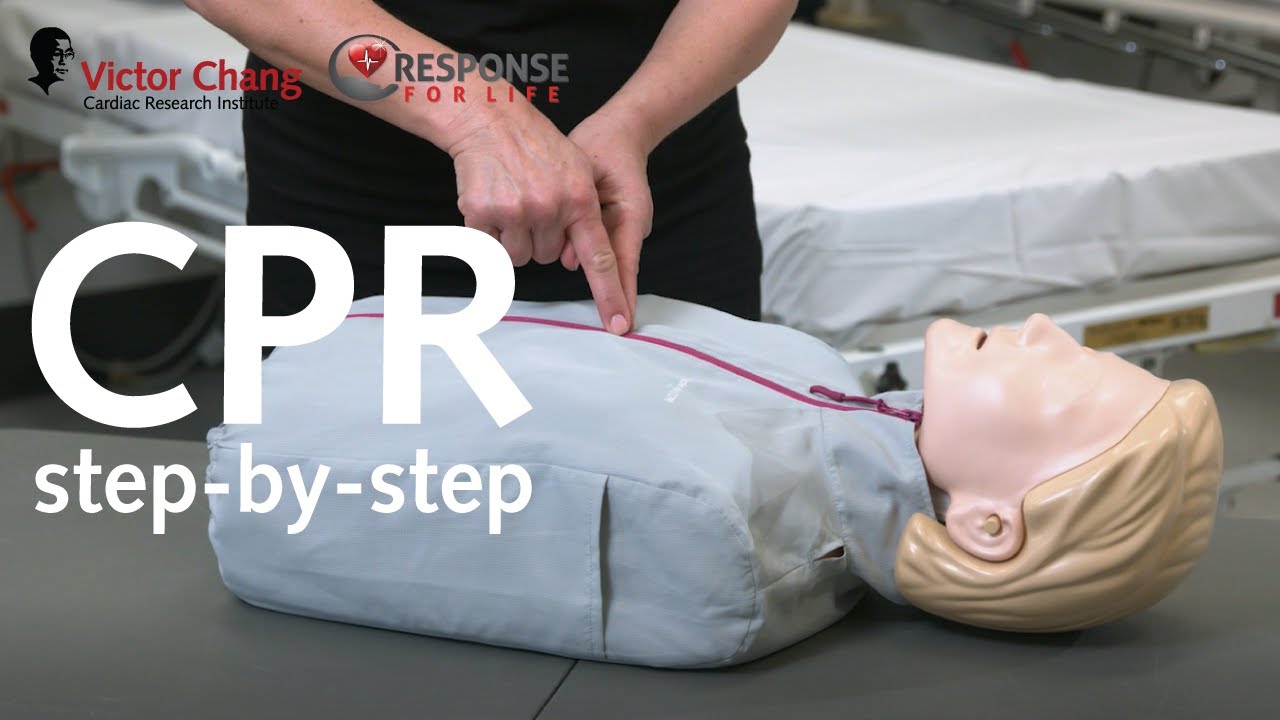
Cardiac apprehension in school-age children is uncommon, yet it occurs, regularly in teenagers and commonly linked to undiagnosed conditions or exertion. The goal is not to scare pupils, but to normalize definitive action. A good cpr course strips it down. Inspect reaction, call for assistance, begin compressions set, send a person for the AED. Trainees practice changing roles every 2 minutes to minimize fatigue. In institutions with an AED, include a stroll to the unit, opening the cupboard alarm, activating the tool, and adhering to the voice motivates on a fitness instructor device. That straightforward familiarity reduces doubt if ever needed.
Schools in some cases bother with liability. A lot of regions have Good Samaritan protections, and AEDs are created to shock only when shown. Highlight that doing something is almost always better than not doing anything, and that compressions and defibrillation in the first mins can double or triple survival. When the legislation or plan permits, make AED places noticeable on school maps and educate student office assistants and sports captains to recover the tool quickly.
Making technique actual with scenarios
The biggest shift in pupil self-confidence comes not from slides, yet from scenarios that seem like institution. Usage places and times they acknowledge: a lunch soccer game, a Year 10 chemistry sensible, a bus line in the rainfall. Run short, rotating terminals, 3 to 5 mins each, with clear objectives. One station may be a nosebleed in a hallway. Another may be a rolled ankle on the staircases. One more, a bronchial asthma flare during cross-country training. Keep the debriefs crisp: what went well, what would you do in a different way, who else need to be informed.
In senior years, add intricacy. Integrate crowd monitoring with treatment, like assisting a fainted pupil in a confined setting up aisle. Or practice triaging 2 events, a strain and a head knock, determining that needs immediate focus and that can wait. Pupils find team effort naturally: one calls, one comforts, one gets supplies, one makes a note of details.
Equipment, areas, and the little details that matter
Training experiences when students can not get their hands on gear. For a year team of 150, go for at least one grown-up manikin per eight to 10 students during cpr training. Responses tools are worth the service: pupils see green lights when they struck deepness and keep price, and their posture improves within a session. Have one AED fitness instructor per 15 to 20 pupils. For anaphylaxis technique, carry at least two instructor auto-injectors per team so everybody cycles through the muscle memory of removing the cap, pressing strongly, and counting.

On university, map and label first aid packages, AEDs, and extra inhalers if policy allows. Place sets where injuries happen: fitness center, oval, tech room, scientific research labs, cooking area areas, and major workplace. Stock them for the likely occasions: saline, handwear covers, triangular plasters, adhesive dressings, immediate ice bags, and stress plasters for snakebite if appropriate. Refresh products every term and after major events.
The other tiny information is time. Reserve rooms with adequate area to stoop beside manikins, and avoid carpet that will elevate friction on knees during two-minute cycles. Area water and air circulation near practice areas, given that compressions obtain sweaty swiftly. Stagger sessions to avoid crowding outdoors spaces when a course changeover happens.
Teacher roles, training, and policy alignment
Teachers do not require to become paramedics, yet they do require self-confidence in their duty. Run a staff-first session before the pupil rollout. It soothes nerves, straightens language, and exposes logistical concerns. Provide a quick-reference card or application link with the school's emergency procedures and regional rescue number, and settle on radio or phone networks. When personnel monitor pupil technique, short them on observing strategy without shaming. Pupils will push as well soft, lean on the upper body, or neglect to allow it recoil. Gentle correction and rep repair most errors in 10 minutes.
Match the pupil program to your plans on medicine, head injury, and go back to play. If a trainee hits their head, who calls home, who documents the monitoring, and what is the default rest period? If an EpiPen is used, what is the handover method when paramedics get here? Write it down in plain language that pupils and personnel share. The most effective programs enhance the idea that aid rises: peer support for first aid, personnel management for choices, and clinical care past that.
Working with parents and the wider community
Parents support programs they recognize. A brief note home prior to training helps: what trainees will certainly discover, that they may practice compressions on a manikin, which no graphic content is made use of. Offer a night presentation once a year for households. Welcome your supplier to run a compact session, show the AED area, and address inquiries regarding allergies, asthma, and sports security. The tone should be practical and calm.
Leverage neighborhood proficiency. Some institutions invite an area nurse, an ambulance police officer, or a sports instructor to join the session on warm stress ahead of summer circus. If your location has a surf life conserving club or comparable, collaborate for water security modules that connect with first aid and cpr.
Measuring influence without sinking in data
You do not need a thesis to know if training jobs. Track a couple of indicators each term. Note time to first aid action in simulated drills and at actual events. Record the number of students taking part in cpr courses and first aid courses, and the amount of full a first aid certificate. Study self-reported confidence with a five-point range prior to and after sessions. Try to find patterns in incident reports: less escalations, better descriptions of occasions, quicker activation of emergency situation solutions when warranted.
One college I collaborated with saw a drop in sports-day rescue transportations over 2 years, not since injuries disappeared, but because early air conditioning, hydration, and far better triage decreased the number that needed urgent care. An additional taped quicker action to anaphylaxis cases after every student practiced the auto-injector sequence and understood where spares were kept.
Handling sensitive circumstances and side cases
A student that lately shed a family member to a heart occasion might discover CPR practice confronting. Supply opt-in pathways. Allow pupils march, observe, or return when all set. Offer a silent corner for those that require a break. Similarly, think about cultural sensitivities when exercising touch-based strategies. Clear communication and opt-out choices preserve regard without thinning down the training.
Students with disabilities should be included with thoughtful adjustment. A trainee who uses a mobility device can still lead the scene assessment, phone call for assistance, and trainer a companion on compressions. For students with restricted hand stamina, they can exercise AED actions and scene management. Incorporation constructs an extra realistic team dynamic.
Refreshers, retention, and what fades first
Skills decay promptly without method. Compressions lose depth, steps blur, and self-confidence declines. Strategy light-touch refreshers. The easiest technique is a five-minute CPR station in homeroom once a term. Rotate a manikin through classrooms with a brief difficulty: two minutes of compressions at the right price with responses lights. For several years 12 trainees who finished a cpr course previously in the year, run a cpr correspondence course prior to tests when timetables get unpredictable. For anaphylaxis and bronchial asthma, a five-minute hands-on wrap-up with instructors and spacers once a term maintains the strategy fresh.
Memory research studies show that series recall decomposes before motor skill. Trainees might bear in mind exactly how a compression really feels, yet fail to remember the order of checks. Visuals aid. Place a simple DRSABC poster in health club change areas and labs. Maintain it clean: inspect safety, check reaction, phone call, open airway, check breathing, begin compressions.
Cost, scheduling, and making the numbers work
Budgets vary. A full-year rollout throughout a 1,000-student secondary school utilizing exterior instructors for all sessions can stretch sources. Crossbreed models maintain expenses sensible. Bring in a carrier for essential year degrees where accreditation issues, normally Years 10 to 12. Train a little team of staff as facilitators to provide standard first aid training to junior years with provider-approved material. Share tools with bordering colleges or employ for a focused week rather than sporadic days. Collection sessions by home or group to reduce configuration time.
Scheduling functions ideal in blocks. A "Safety and security Week" technique permits tools to stay in one area and fitness instructors to refine circulation. Connect it to sporting activities preseason or just before summer. If block organizing is difficult, align sessions with health classes and dual periods to stay clear of reducing practice short.
Legal and honest quality trainees can understand
Students often ask, what if I do it incorrect? Teach the principle of sensible treatment: act within your training, do not take unnecessary dangers, and seek help. Reinforce permission. If an aware person rejects assistance, respect it and obtain a grownup. For unconscious individuals, suggested consent applies. Stress and anxiety personal privacy and dignity: cover the pupil ideally, manage onlookers, and avoid sharing images or details on social networks. A thirty-second talk on limits does more to develop maturity than a thick plan handout.
https://zenwriting.net/arvicaxyla/h1-b-how-much-time-does-a-first-aid-certification-last-trick-realities-youLinking first aid to more comprehensive wellbeing
First help is not only about emergency situations. It is a language of care that fits into a larger health and wellbeing program. Showing pupils to identify early indications of warm anxiety or to ask a pal if they feel pale supports a culture where looking out for each and every other is typical. Tie this to mental wellness first aid concepts at elderly degrees. While professional care differs, the position is comparable: notice, ask, assistance, escalate. Trainees who practice calm actions in physical emergencies typically bring that calmness right into various other tense moments.
What excellent resemble after a year
When a program functions, you feel it in small ways. Pupils know who to call and where to go. Educators listen to clear, concise reports over radios: "Play ground near the oak tree, presumed strain, student is seated, cold pack used." Sports captains get hold of the set without triggering. In a scientific research laboratory, a spill obtains managed and recorded quickly. After a peer faints in assembly, 2 pupils delicately lead a course, one kneels to examine breathing, another person fetches the AED simply in case, then they all step back when staff arrive. Later, they debrief for two minutes and return to class.
The college additionally holds its own. First aid certifications are tracked, cpr training logs are current, and new personnel obtain a rundown in week one. Parents recognize the institution's approach and the place of key tools. The AED cupboard alarm no more surprises, it assures. None cpr training Epping of this assurances sameness in every emergency situation, but it constructs predictability in the very first feedback, which is where safety lives.
Practical steps to start this term
- Map your cases from the past two years and select the top 5 scenarios to anchor training. Select a carrier for senior cpr courses and first aid courses, verify placement with current guidelines, and lock dates. Train a nucleus of personnel to facilitate junior sessions and run brief refresher courses, and established a shared calendar. Purchase or employ sufficient manikins and an AED trainer, and supply first aid kits where incidents cluster. Communicate with moms and dads and trainees, including opt-out choices for delicate material and clear language regarding goals.
A note on language and consistency
If your college uses a specific series like DRSABC or CAB, stick with it throughout all products. Line up terms for the exact same things: auto-injector vs EpiPen, spacer vs chamber, recuperation placement vs side position. Pupils address rhythm and wording. Consistent language raises speed and reduces question in tense moments.
Bringing everything together
Implementing first aid and cpr courses in schools is not a checkbox conformity exercise. It is an assurance that adults and trainees will satisfy challenging minutes with skill and solidity. Choose web content that mirrors your facts. Show it with hands, not simply words. Refresh it prior to it fades. And weave it into the day-to-day life of the school to make sure that when a classmate chokes on a grape, or an asthma strike strikes after a sprint, action unfolds virtually automatically.
The prices are moderate contrasted to the risks. A day of specialist first aid training for elderly trainees, a set of manikins with feedback, a schedule of refresher courses, and a team who design tranquility. The return is an university where students relocate from spectators to assistants, where confidence grows quietly, and where the first mins of an emergency situation, the ones that matter most, belong to people prepared to make use of them.